Water Mitigation in Hollywood, FL
Emergency water mitigation in Hollywood, FL covers the first two days of a flood, burst or overflow: shut off the source, pump out pooled water, wall off dry rooms and set the dryers running. Call (833) 521-1033 at any hour and tell us what happened.
- 24/7 emergency response
- Extraction and containment
- Moisture mapping
First Hour
What to Do Before the Crew Arrives
- Stop the source if you can: close the main valve or the fixture shutoff.
- Cut power to wet rooms at the breaker only if you can reach it without standing in water.
- Lift furniture legs off wet carpet, and move valuables, papers and electronics to dry areas.
- Photograph the source and every wet surface before you move anything.
- Open interior doors and closets to let air move, but keep exterior doors closed if outdoor air is more humid.
- Call (833) 521-1033 and describe the loss.
Two Phases
Mitigation Is Triage, Restoration Is Rebuilding
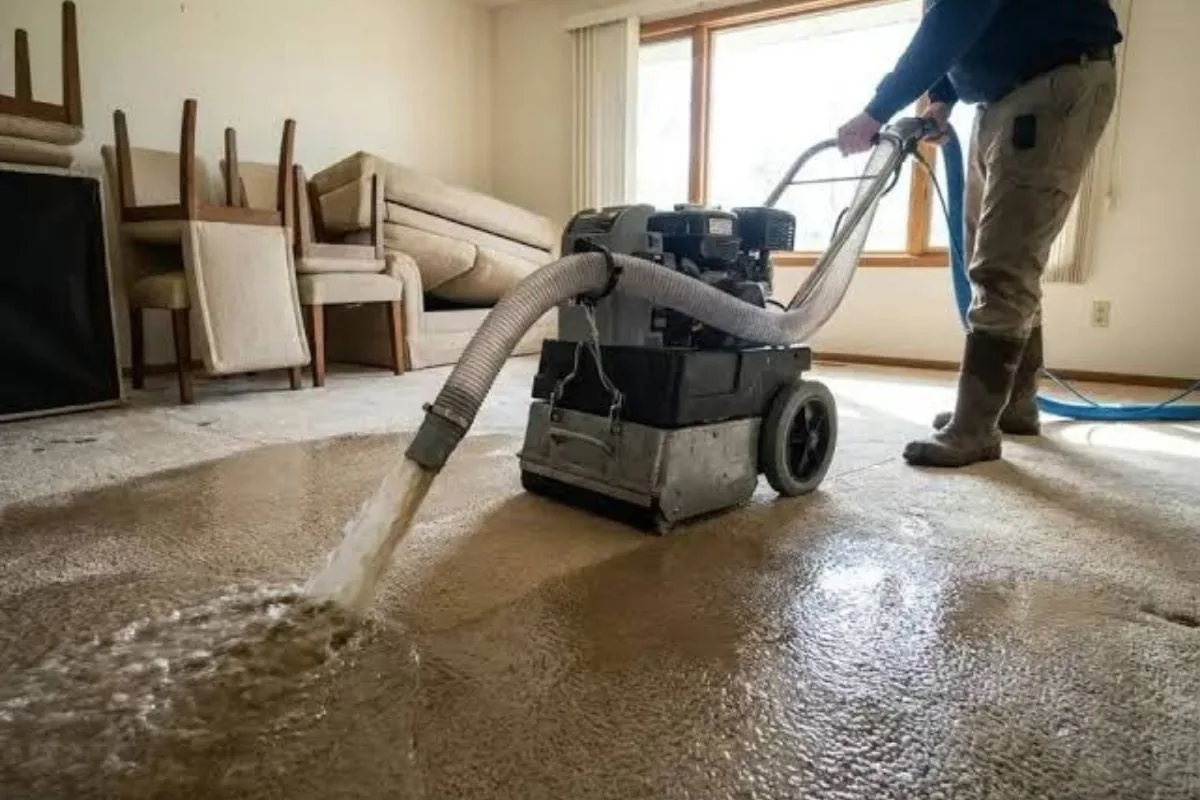
Mitigation limits the loss. Crews find the water, remove what they can, set up containment so moisture does not migrate into dry rooms and start the drying. The goal is to save as much of the structure and contents as possible.
Restoration follows when the building is dry. It covers the work of replacing drywall, flooring and finishes that could not be saved. Both phases are documented, and the moisture readings from mitigation are the evidence that drying worked.
The Work
What Happens in the First Two Days
| Step | What the crew does | Why it matters |
|---|---|---|
| Source control | Confirms the water is stopped | A running source defeats any drying |
| Extraction | Pumps and vacuums standing water | Removes the bulk quickly |
| Moisture mapping | Meters walls, floors and ceilings | Finds hidden wet areas |
| Containment | Seals off unaffected rooms | Stops spread through the building |
| Drying setup | Air movers and dehumidifiers placed | Pulls moisture out of materials |
| Monitoring | Readings repeated each visit | Proves the structure is drying |
Water still spreading across the floor?
Call now. The mitigation line never closes.
South Florida
Humidity and Slab Floors Change the Plan
Hollywood sits on the Atlantic coast with an average high near 83 degrees, so indoor air starts out humid and holds moisture. Dehumidifiers do much of the work that open windows would do elsewhere.
Most local homes sit on concrete slabs, which absorb moisture from above and release it slowly. Under a tile or laminate floor, trapped water can take longer to find, and the moisture meter matters more than the eye.
Hurricane season runs June 1 through November 30, and storm-driven rain is a frequent cause of roof and window intrusion. If the source is a plumbing failure, burst pipe repair fixes the pipe while mitigation dries the house.
Shared Walls
Condo and Multi-Unit Losses
Water in a condominium moves down through ceilings and sideways through shared walls. Notify building management right away so the riser can be shut off and neighbors warned.
Florida law gives an association a right of access to units when it is necessary to prevent damage, so expect management to ask for entry. Document what is damaged in your unit, since the association generally insures the original construction and the unit owner insures items like floor coverings and appliances. The Hallandale Beach page covers the ownership split.
Around Hollywood
Water Mitigation After a Hollywood Storm or Pipe Failure
Heavy rain and burst pipes both produce the same early-hour need in Hollywood: stop the water, extract it and start drying. Condo towers near the beach add the complication of water traveling between units.
Tell the crew whether the water is clean, gray or from a sewer, because that changes what can be saved.
Pricing
What Shapes a Mitigation Estimate
Insurance often covers sudden water damage but not flood, and your deductible applies. Call (833) 521-1033 and describe the loss to get a plan.
Questions
Water Mitigation Questions
Mitigation is the emergency phase that limits damage: stopping the source, removing water and starting to dry. Restoration is the longer phase of repairing and rebuilding what was damaged, covered on the water damage restoration page.
The EPA advises drying wet materials within 24 to 48 hours to prevent mold growth. South Florida humidity shortens the margin, so call as soon as you can.
Notify your insurer promptly, but do not wait for approval to protect the property. Most policies expect reasonable steps to prevent further damage, and Florida generally bars a property claim unless notice is given within one year of the loss.
The ANSI/IICRC S500 standard describes classes of water damage by how much moisture the materials can release, from a small area to a loss that soaks structure and contents. The class helps set the drying plan.
Often yes for clean-water losses, though drying equipment runs continuously. For sewage or flood water, the crew will tell you which rooms to avoid.
A plumber does. If you do not yet know the source, water leak detection finds it, and mitigation can run in parallel.