Water Damage Restoration in Hollywood, FL
Emergency water damage restoration in Hollywood, FL removes standing water, dries the structure and cleans affected materials before mold can start. Call (833) 521-1033 any hour and describe the damage.
- 24/7 emergency response
- Extraction and drying
- Insurance paperwork support
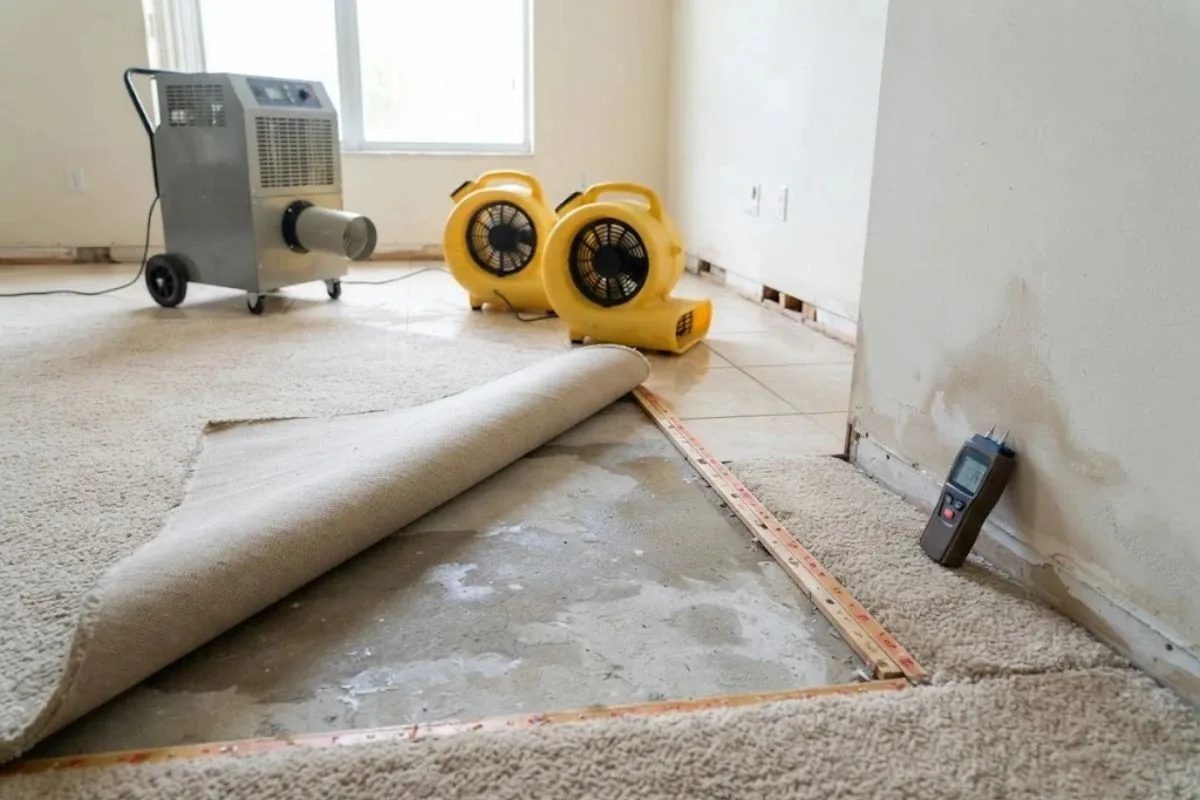
The First Hour
What to Do Before the Crew Arrives
- Stop the source. Close the main water valve or the fixture shutoff.
- Turn off power to wet rooms at the breaker if you can reach it safely. Never stand in water near outlets.
- Photograph everything before you move it.
- Lift furniture legs off wet carpet and move valuables, papers and electronics to dry areas.
- Open windows only if outdoor humidity is lower than indoor. In South Florida, closed doors with the AC running often work better.
How Restoration Is Planned
Water Categories Decide the Plan
The ANSI/IICRC S500 standard for professional water damage restoration sorts water by contamination level, and a restoration plan is built around those categories.
| Category | Source | What it means for materials |
|---|---|---|
| Category 1 | Supply line, appliance overflow, rain intrusion | Dry in place when caught early |
| Category 2 | Washing machine or dishwasher discharge, toilet overflow with urine only | Dry carefully, remove porous items such as carpet pad |
| Category 3 | Sewage backup, rising floodwater | Remove porous materials, clean and disinfect |
The category can worsen with time. Clean water that sits for more than a day or two can become Category 2, so speed lowers both cost and risk.
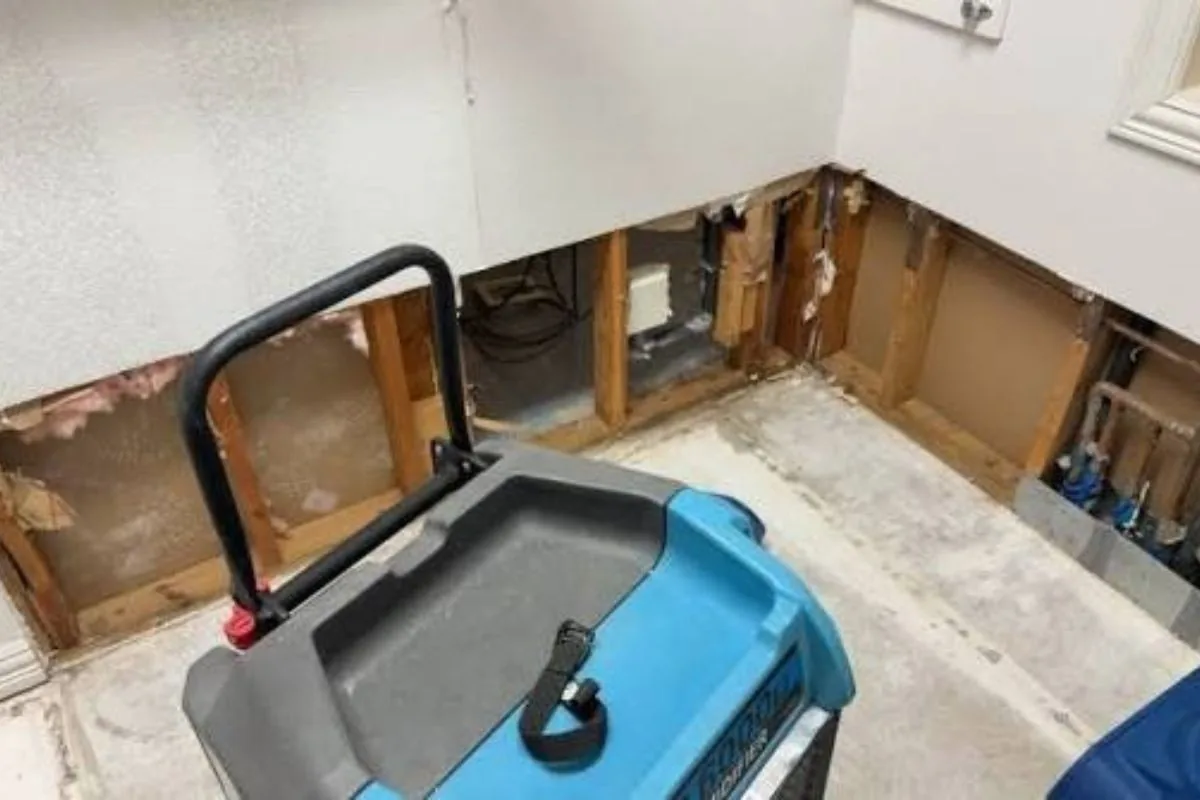
South Florida Factor
Why Humidity Makes Drying Harder Here
Hollywood sits on the Atlantic coast between Fort Lauderdale and Miami, with an average high of about 83 degrees and a low near 68. Warm, moist air slows evaporation, so drying equipment has to pull more water from the air than it would in a dry climate.
Wet drywall, baseboard and carpet pad can hold moisture for days. Air movers push dry air across surfaces, and dehumidifiers pull the moisture out of the room. The crew takes moisture readings each visit and keeps the equipment running until the readings match dry reference values.
Hurricane season runs June 1 through November 30, and storm-driven rain is a common source of roof and window intrusion in this area. Condo losses in Hallandale Beach add shared-wall rules on top of the drying plan.
Wet floors, ceilings or walls?
Call and describe what you see. The restoration line never closes.
Process
From Water to Dry Structure
- 1
Stop and assess
Find the source and measure the damage.
- 2
Extract
Pump and vacuum standing water.
- 3
Dry
Air movers, dehumidifiers and monitoring.
- 4
Clean and restore
Sanitize, remove damaged materials and document.
Fix the Cause
Water Damage Often Starts With a Plumbing Failure
Restoration dries the structure. It does not repair the pipe that failed. A burst supply line, a leaking tank or a backed-up sewer all need plumbing repair, and drying a house with an active leak only restarts the problem.
If the water came from the water heater, emergency water heater repair handles the unit. A sewage source starts with emergency sewer line repair, and a mystery wet spot starts with leak detection.
Around Hollywood
Water Damage in the Condos and Houses of Hollywood
A leak in a Hollywood Beach tower can spread through ceilings and walls in several units before anyone finds the source. In a house in Emerald Hills or Hillcrest, the water more often stays on one level but can sit under flooring.
In both cases the early hours matter, because humidity in South Florida speeds mold growth. Document the damage before cleanup, and tell the crew which kind of building it is.
Pricing
What Shapes a Restoration Estimate
Insurance often covers sudden water damage but not flood, and your deductible applies. Call (833) 521-1033 and describe the loss to get a plan and a price.
Questions
Water Damage Restoration Questions
The EPA advises drying wet materials within 24 to 48 hours to prevent mold growth. South Florida's humidity shortens that margin, so extraction and drying should start the same day.
Plumbing repair fixes the failed pipe or fixture. Restoration extracts water, dries the structure and cleans it. If you do not yet know the source, hidden leak testing finds it.
Standard policies typically cover sudden and accidental water damage and exclude flood from rising water, which requires a separate flood policy. Read your policy and call your agent early, because deadlines apply.
Take wide and close photos of every wet surface, the source and damaged belongings, with timestamps. Keep damaged items until the adjuster approves disposal, unless they are a health risk.
The ANSI/IICRC S500 standard groups water into Category 1 from clean sources, Category 2 with some contamination and Category 3 from sewage or flood sources. The category decides what can be dried and what must be removed.
Often yes for clean-water losses, though noise from air movers and dehumidifiers runs continuously. Sewage or flood water is different, and the crew tells you which rooms to avoid.
Water on the Floor Right Now?
Call and describe the damage. The line is open 24/7.
Call (833) 521-1033