Condo Water Leak in Florida: Who Pays, You or the Association?
According to Chapter 718 of the Florida Statutes, the pattern for a Florida condo is simple. The association generally maintains the common elements, including plumbing that serves more than one unit. The unit owner insures items like floor coverings, appliances and water heaters inside the unit. Who ultimately pays for a leak depends on the source and on your condominium documents.
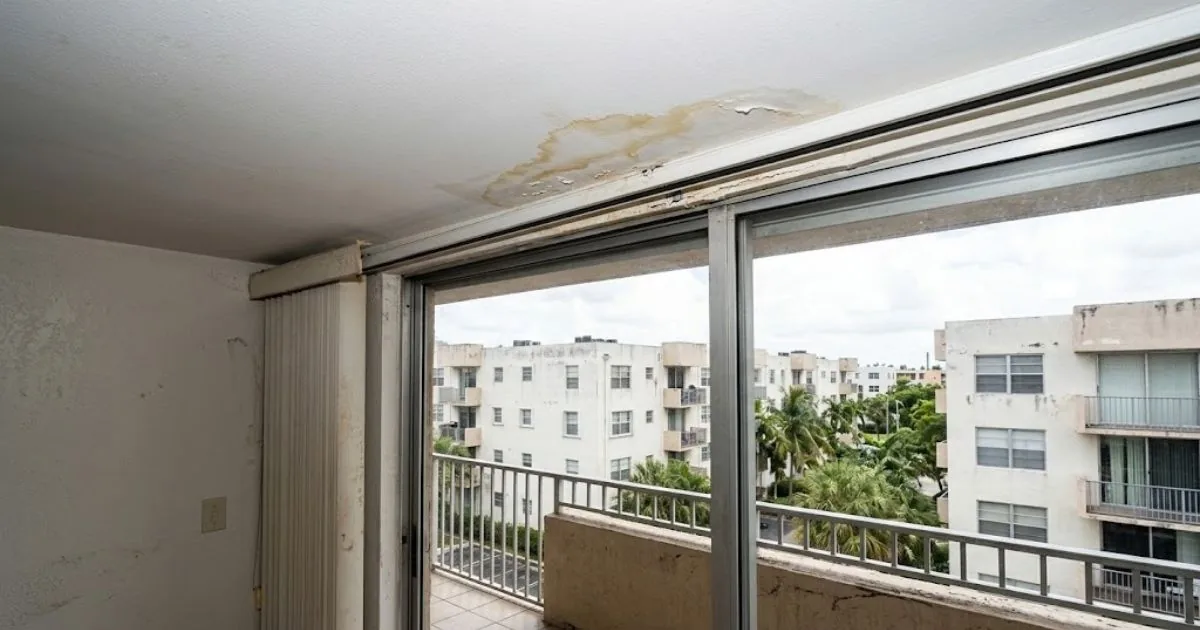
The Usual Split Under Florida's Condominium Act
| Item | Generally responsible | Source of the rule |
|---|---|---|
| Shared drain stack or riser | Association | Maintenance of common elements, s. 718.113(1) |
| Pipe serving only one unit, inside the unit | Depends on your declaration | Condominium documents |
| Floor, wall and ceiling coverings, built-ins, appliances, water heaters | Unit owner to insure | s. 718.111(11)(f) |
| Drywall and structure damaged by an insured event | Association insurance, in most cases | s. 718.111(11) |
| Damage caused by an owner's negligence | Owner may be liable | s. 718.111(11)(j) |
Statutes and documents vary and cases differ. This is general information, not legal advice.
The Association Can Enter Your Unit
Florida law gives the association an irrevocable right of access to units during reasonable hours when it is necessary to repair common elements or to prevent damage to the common elements or to a unit. If water is coming through a ceiling, expect management or maintenance to ask for access.
Cooperation matters. A delay lets damage spread to neighboring units and raises the bill for everyone.
If Water Is Coming Into Your Unit
- Call building management or security so the riser valve can be closed.
- Close your own unit's shutoff if the leak may come from your pipes.
- Photograph the source, the damage and any affected neighbors.
- Notify your own insurer promptly and ask about loss assessment coverage.
- Ask management for an incident report and keep the condominium documents handy.
Insurance Notice and Assessments
Florida's notice law bars most property insurance claims unless the insurer is notified within one year of the loss. A claim for loss assessment coverage, which can pay a unit owner's share of an association assessment, is separate, and its limits are set in the statute and your policy.
Read your policy and ask your agent if you carry loss assessment coverage and what your deductible is.
Finding and Fixing the Source
The first plumbing question is where the water starts. In towers from the 1960s and 1970s, old stacks and risers are common failure points, and a leak in a unit's hidden pipe may not show for weeks.
Water leak detection separates a unit-owned pipe from a shared line without opening several walls, and that matters when responsibility depends on the source. Water damage restoration then handles extraction and drying.
Our Hallandale Beach page explains the usual unit-owner and association split in more detail.
Build a Documentation Package for Management
Management and the association's insurer will ask for evidence. Put together dated photos and video of the source and the damage, a timeline of when you noticed it and when you reported it, and the plumber's report on the cause.
Include the names of anyone who entered the unit, copies of emails or letters and receipts for emergency work. A tidy package shortens the conversation about who pays, and it helps your own insurer as well.
Tenants, Landlords and Short-Term Rentals
If you rent, report a leak to the landlord in writing right away and keep a copy. Your own renter's policy covers your belongings, not the building.
Owners who rent a unit should carry insurance that fits the rental use and should tell the association's manager whom to contact if a leak starts while the unit is empty. Many leaks begin in empty units, which is why a trusted local contact matters.
Common Condo Leak Sources to Check Yearly
- Washing machine hoses, replaced every few years with braided lines
- Water heater, its pan and its drain line
- Toilet supply lines and angle stops
- Air conditioner condensate drain and pan
- Under-sink supply lines and the dishwasher connection
- Window and balcony door seals that let rain in
Know the Limits of General Advice
Every association has its own declaration, rules and insurance, and the statutes cited here set a floor for the general pattern. Disputes about who pays can turn on the exact words in your documents.
For a significant loss, talk to your insurer first, then consider consulting an attorney who handles condominium law. A plumber can document the cause, but cannot decide responsibility.
What Usually Happens in the First Week
On day one, the source is stopped and the affected units are identified. Management closes a riser or the owner closes a unit valve, and the plumber confirms the cause. Photographs and a written incident report start the record.
In the first few days, drying begins in every affected unit, and the association and each owner notify their insurers. Delay here is the most expensive mistake, because wet drywall and flooring start to grow mold within a day or two.
Within the first week, the insurers inspect, the association decides which repairs it will manage and owners collect estimates for the items they insure. Expect questions about the cause, and answer them with the plumber's report in hand.
Disputes about who pays usually come later, after the damage is dried and priced. Keep every document, because the order of events and the cause drive the answer.
Questions to Ask Management
Ask for the cause of the leak in writing, the location of the failed pipe and whether it was a common element or a unit pipe. Ask which contractor will repair the common element and when, and whether the association's insurer has been notified.
Ask what the association's insurance deductible is and who pays it under the declaration. Ask what you must do to document your own losses, and whether management will give you a copy of the claim number.
Ask if repairs need approval before you begin, since some declarations require written consent for work inside the unit.
A Short Checklist for Unit Owners
Keep your own policy current, including loss assessment coverage and the water damage deductible. Know where your unit shutoff is and test it each year.
Replace washing machine hoses, toilet supply lines and the water heater on a schedule, and keep receipts. If you travel, close the unit valve and leave a key with someone who can enter. These small habits make a leak less likely and any dispute easier to settle.
Before You Hire Anyone
Check with management on contractor insurance, work hours and elevator rules. Tell the plumber the building name and unit when you call (954) 697-4920.
Questions
Quick Answers
The statute can hold the negligent owner liable for damage not covered by the association's insurance. Your own insurer may pay first and pursue the neighbor.
Often the association's insurance covers drywall damaged by an insured event, but your documents and the cause matter.
Yes. The association does not insure your floor coverings, appliances or contents.
It depends on the damage and on contamination. Follow management's and the crew's advice.