Septic Tank vs City Sewer in Hollywood, FL: What the 2032 Plan Means
About 44 percent of Hollywood relies on septic tanks, and the city plans to replace them with central sewer in a project that begins construction in 2032. For most septic owners, nothing changes for years, but the tank still needs care until a sewer line reaches the street.
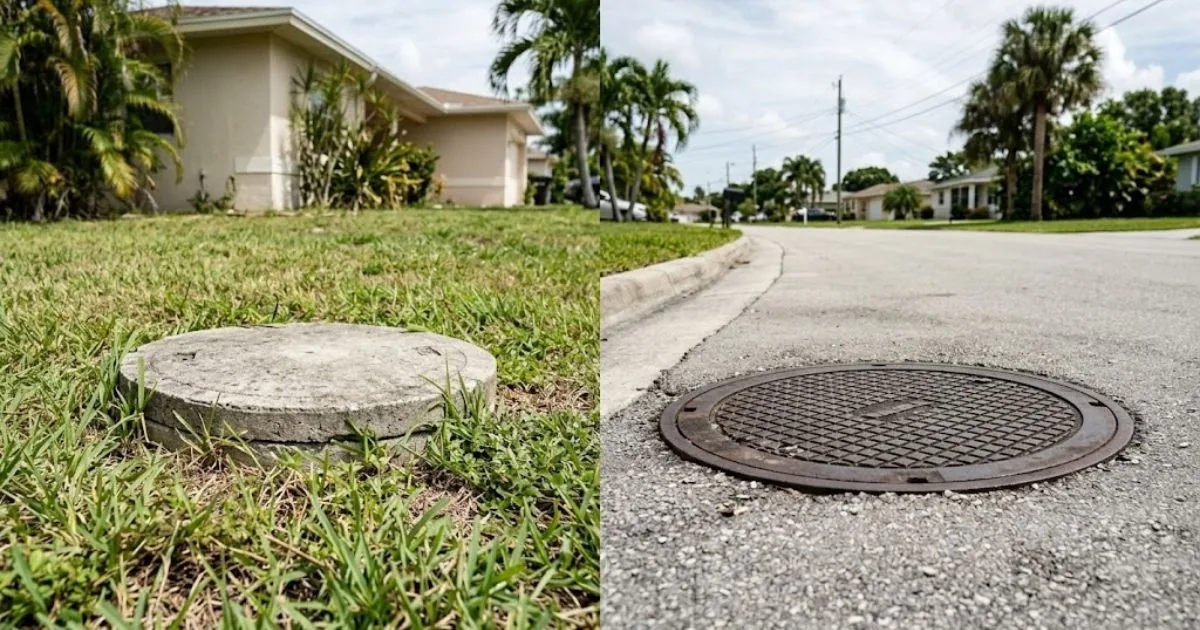
The Numbers Behind the Plan
The City of Hollywood's Public Utilities Department says 44 percent of the city still relies on septic tanks, and a third of the septic tanks remaining in Broward County are in Hollywood. In July 2026 commissioners approved a five-year rate plan to help pay for a 25-year septic-to-sewer project.
Axios reported that the project is expected to cost more than $1 billion and to start in 2032. City workshops in April 2026 discussed rate increases of up to 25 percent a year for the first three years.
Reporting in 2019 placed most of the septic properties west of Federal Highway. If you live in that part of the city, assume your house is on septic until the utility tells you otherwise in writing.
Septic and Sewer Side by Side
| Factor | Septic tank | City sewer |
|---|---|---|
| Who maintains the system | You do | The utility maintains the main, you maintain your lateral |
| Regular cost | Pumping every three to five years | Monthly sewer charge on your bill |
| Failure signs | Slow drains in every fixture, gurgling, sewage smell outdoors | Backup in the lowest drain, usually a lateral or main issue |
| Heavy rain effect | High water table can overload the drain field | Surges in the system can back up low drains |
| Who to call first | A septic pumper or plumber | Your plumber, then the utility if it is the main |
What Costs to Expect, and What Not to Assume
The city has said water and sewer bills will more than double by October 2030 under the rate plan, and the typical combined water and sewer bill is projected to rise from about $99 to $223 by 2031. Those figures come from the utility's own numbers as reported by Axios.
The city has not published a final connection cost for individual homeowners. A 2019 estimate of about $7,000 per home to connect and close the tank has circulated, but treat it as dated until the city publishes current terms.
Do not assume the sewer will arrive soon. A tank that misses its pumping schedule will not last until the line arrives.
What to Do Now if You Have a Tank
- Find the tank lid and the drain field, and keep vehicles and trees away from both.
- Ask the seller or the previous owner for pumping and inspection records.
- Pump every three to five years, which is the EPA's guideline for most households.
- Spread laundry across the week and fix dripping fixtures that add steady flow.
- Keep wipes, grease and paint out of the drain.
- Call the city's utility to ask if your street is in an early phase of the plan.
Who Regulates Septic Work
In Florida, septic system permits and repairs go through the Florida Department of Health under Chapter 64E-6 of the Florida Administrative Code. Routine pumping does not need a repair permit, but a failed drain field does.
Scheduling routine septic tank pumping and an inspection every few years is the simplest way to know where your system stands. If the problem turns out to be the pipe from the house to the tank, residential sewer line repair starts with a camera.
Because Dania Beach's boundaries are patchy, some addresses with a Dania mailing name sit inside Hollywood's septic area. Our Dania Beach page explains how to check which city you are in.
What Happens to the Tank When Sewer Arrives
Connecting to the sewer is not just a new pipe. The old septic tank has to be taken out of service, and Florida rules govern how that is done. Ask the city who handles the abandonment, who pays and whether a permit is part of the connection package.
In general, a crew pumps a tank that is leaving service and then removes or fills it. An unfilled tank is a hazard because it can collapse under a car or a child. Keep your pumping records, because they help when the city schedules the work.
Do not decide on your own to skip the connection. A 2019 report said owners would be required to connect within 90 days of the pipes being installed, and even those who refused would still receive a sewer bill.
Buying or Selling a Home on Septic
A buyer in Hollywood should ask for the tank's pumping and inspection records, the drain field location and the age of the system. A seller should gather them early. A system with recent pumping and inspection records sells more easily than one with no paperwork.
Florida law expects sellers to disclose known defects that materially affect a property's value, and a failing septic system qualifies. If you know of a problem, say so in writing.
Buyers should also ask whether the street is in an early or late phase of the city's plan, because a coming assessment or connection cost affects the real price of the house.
A Practical Timeline for Septic Owners
| Timeframe | What to do | Why |
|---|---|---|
| Now | Locate the tank, find records, schedule a pump if overdue | Sets a baseline and avoids a backup |
| Every year | Watch for slow drains and soggy ground | Early signs are cheaper to fix |
| Every three years | Professional inspection | The EPA recommends it for most systems |
| Every three to five years | Pump the tank | Keeps solids out of the drain field |
| When the city announces your phase | Ask about fees, financing and the connection window | Lets you budget before the notice arrives |
Budgeting for Two Cost Curves
Septic owners face two different costs over the next decade. One is the rising city rate, which will apply to everyone on the system. The other is the one-time cost of connecting and abandoning the tank, which only septic owners pay.
The utility's own figures, as reported by Axios, project the combined water and sewer bill rising from about $99 a month in 2026 to about $223 in 2031. A septic owner currently pays no sewer charge, so the monthly cost of the future connection is a real change in household budgeting.
Put a little aside each month toward the connection, and keep paying for regular pumping. A tank that fails costs more than both.
Questions to Ask the City
Ask if your street is scheduled in an early or late phase, what the connection fee will be, whether financing is offered and how long you will have to connect after the main is installed. A 2019 report said owners would be required to hook up within 90 days of the pipes being installed, and the final rules may differ.
Keep your tank records. They help when you sell, when you connect and when you answer the utility.
Questions
Quick Answers
Check your water bill for a sewer line item, look for a septic tank lid in the yard or ask the city's Public Utilities Department.
The city says construction begins in 2032 and will take about 25 years in phases. Ask the utility about your street's phase.
No. A tank that overflows or a drain field that fails will cost far more than regular pumping.
It depends on the buyer and the market. A recent pumping and inspection report helps in any sale.
Not Sure Which System You Have?
Call and ask a plumber to confirm septic or sewer at your address.
Call (954) 697-4920